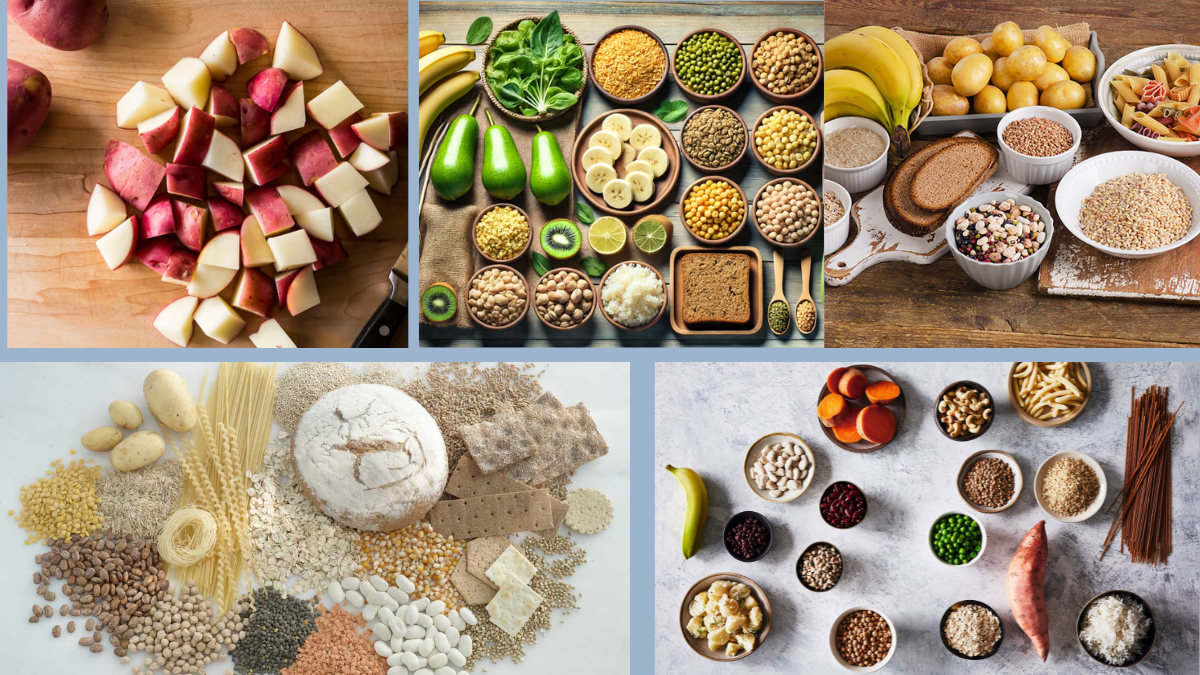
In the world of nutrition, we often hear about carbohydrates being the villains—especially when it comes to managing weight or blood sugar levels. But not all carbs are created equal. Enter resistant starch, a unique type of carbohydrate that’s making waves among health-conscious eaters and scientists alike. If you haven’t heard of resistant starch yet, it’s time to pay attention—because this humble nutrient may be the key to better digestion, enhanced metabolism, and improved overall well-being. Best of all? You can reap its benefits with delicious, plant-based foods you likely already have in your kitchen.
What Is Resistant Starch?

Resistant starch is a type of carbohydrate that “resists” digestion in the small intestine. Unlike most starches, which are broken down into glucose and absorbed, resistant starch passes through the digestive tract intact until it reaches the colon. There, it serves as food for your good gut bacteria—making it a powerful prebiotic.
There are four types of resistant starch (RS):
- RS1 – Found in whole or partially milled grains and seeds.
- RS2 – Naturally occurring in raw potatoes, green bananas, and some legumes.
- RS3 – Formed when certain starchy foods (like rice or potatoes) are cooked and then cooled, a process known as retrogradation.
- RS4 – A synthetic form created through chemical modification (less common in whole-food diets).
For those following a vegetarian or plant-based lifestyle, RS1, RS2, and RS3 are the most accessible and beneficial.
Why Should You Care? 7 Proven Benefits of Resistant Starch

1. Improves Gut Health
Once resistant starch reaches the large intestine, it is fermented by the microbiota, producing short-chain fatty acids (SCFAs) like butyrate, which:
- Nourishes colon cells
- Reduces inflammation
- Strengthens the gut barrier
- Supports a healthy microbiome balance
Increased butyrate production is strongly linked to reduced risk of colon cancer and better digestive health.

2. Enhances Blood Sugar Control
Resistant starch slows the digestion process, helping prevent blood sugar spikes after meals. Studies show that including resistant starch in meals can:
- Improve insulin sensitivity
- Lower fasting blood sugar levels
- Reduce glycemic response
This makes it an excellent addition to the diet for those managing type 2 diabetes or prediabetes.
3. Supports Healthy Weight Management
Since resistant starch is not fully digested, it provides fewer calories per gram than regular starch—about 2–3 kcal/g instead of 4 kcal/g. It also promotes satiety by:
- Increasing the release of satiety hormones
- Reducing appetite over the next few meals
By helping you feel full longer, resistant starch can support healthy portion control and prevent overeating.
4. Boosts Metabolism
Some research suggests that resistant starch may increase fat oxidation and post-meal energy expenditure, meaning your body burns more calories after eating. Though more studies are needed, the metabolic benefits are promising.
5. Promotes Better Bowel Regularity
Because it functions like fiber, resistant starch:

- Adds bulk to stool
- Enhances regularity
- Reduces constipation
This gentle yet effective laxative effect makes it great for anyone with sluggish digestion.
6. Improves Nutrient Absorption
SCFAs like butyrate enhance mineral absorption, especially calcium and magnesium, which are essential for bone and muscle health.
7. May Lower Inflammation and Support Immunity
A healthy gut microbiome—fueled by prebiotics like resistant starch—has been linked to lower systemic inflammation and a stronger immune response.
Top Vegetarian-Friendly Sources of Resistant Starch

You don’t need to rely on animal products or exotic supplements to increase your resistant starch intake. Here are some excellent plant-based, easily accessible sources:
1. Cooked and Cooled Potatoes
When potatoes are cooked and then cooled (like in potato salad), some of their starch transforms into resistant starch. Reheating them doesn’t eliminate the benefits.
Try This: Make a chilled herb potato salad with olive oil, lemon juice, parsley, and garlic.

2. Green Bananas or Banana Flour
Unripe (green) bananas are high in RS2. They’re less sweet and more starchy, and often used in smoothies or cooked dishes. Green banana flour is also a great baking substitute.
Tip: Add a small amount of green banana to smoothies or use the flour in pancakes or muffins.
3. Lentils and Legumes
Beans, lentils, chickpeas, and peas are rich in resistant starch, especially when cooked and cooled.
Try This: Prepare a chickpea or lentil salad, chill it, and enjoy the double benefit of protein + resistant starch.
4. Whole Grains (Like Barley and Oats)
Whole grains contain RS1 and become even more beneficial when cooked and cooled.
Try This: Overnight oats made with rolled oats, chia seeds, and almond milk offer a delicious resistant starch breakfast.

5. Cooked and Cooled Rice
Especially brown rice or parboiled rice. Like potatoes, cooling rice after cooking increases its RS3 content.
Pro Tip: Make a batch of rice, chill it, and use it later in stir-fries or veggie sushi.
6. Seeds (Like Quinoa and Buckwheat)
While not traditionally known for resistant starch, these pseudo-grains contain RS1 when minimally processed.
How to Add More Resistant Starch to Your Diet (Without Complicating Your Life)

Start slowly! Suddenly increasing resistant starch can lead to gas or bloating. Give your gut time to adapt.
Sample Day with Resistant Starch (Vegetarian)
- Breakfast: Overnight oats with chia, banana, and cinnamon
- Snack: Hummus with whole-grain crackers
- Lunch: Lentil salad with chopped veggies and a lemon-tahini dressing
- Snack: Green banana smoothie (with spinach, almond milk, and flaxseed)
- Dinner: Stir-fried vegetables with chilled brown rice
- Dessert: A small serving of chilled sweet potato with a drizzle of maple syrup and cinnamon
Common Myths About Resistant Starch

“It’s Just Another Trend.”
Resistant starch is backed by a growing body of peer-reviewed research. It’s not a fad—it’s a functional food.
“You Need Supplements to Get Enough.”
Not true! Most people can meet their needs through common whole foods.
“Cooking Kills Resistant Starch.”
Only some types. In fact, retrogradation (cooling cooked starches) creates more RS3, one of the most beneficial forms.
Final Thoughts: A Small Change, Big Rewards
Incorporating more resistant starch into your daily meals doesn’t require a complete dietary overhaul. It’s about simple food prep strategies—like cooking and cooling rice or potatoes—and choosing whole, plant-based foods that nourish both you and your gut microbes.
Think of resistant starch as a bridge between what you love to eat and what your body truly needs. It’s not just another carb—it’s a smart carb, working quietly behind the scenes to improve your digestion, metabolism, and even mood.